Blossom Bubble Wrap
the surprising history of ancient floral packaging

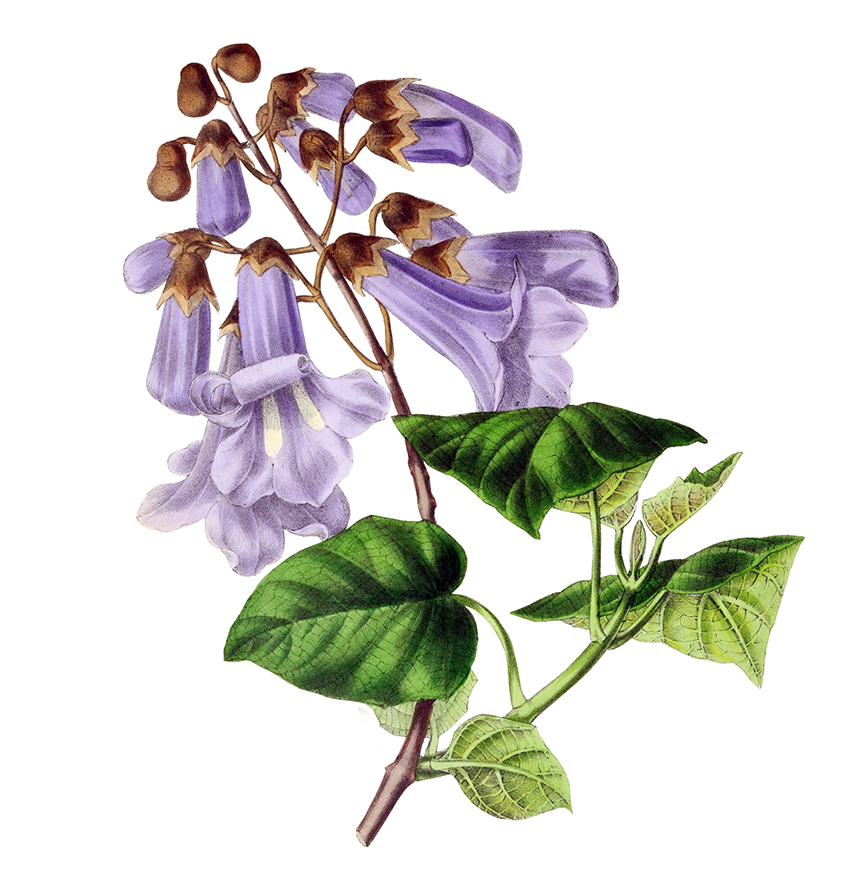
Flowers are often presumed to be delicate and dainty, but there is a long history of botanical beauties being used to protect fragile treasures.
Detectorists pacing in the English Vale of Pewsey in 2014 were on the hunt for metal antiquities when they discovered a stack of eight Roman bronze pots. An unusual aspect to this hoard was the botanical matter carefully layered in between each nestled vessel. Leaves and blossoms had been added as protective layer – comparable to wrapping a fragile object in bubble wrap or filling a box with packing peanuts. It was mostly bits of bracken fern and centaury flower heads. The common name for these thistle-like blooms is knapweed. There was also evidence of buttercup, clover, and cowslip, although it is speculated that these bits wound up in the mix by chance as the plants were being rounded up by the handful.
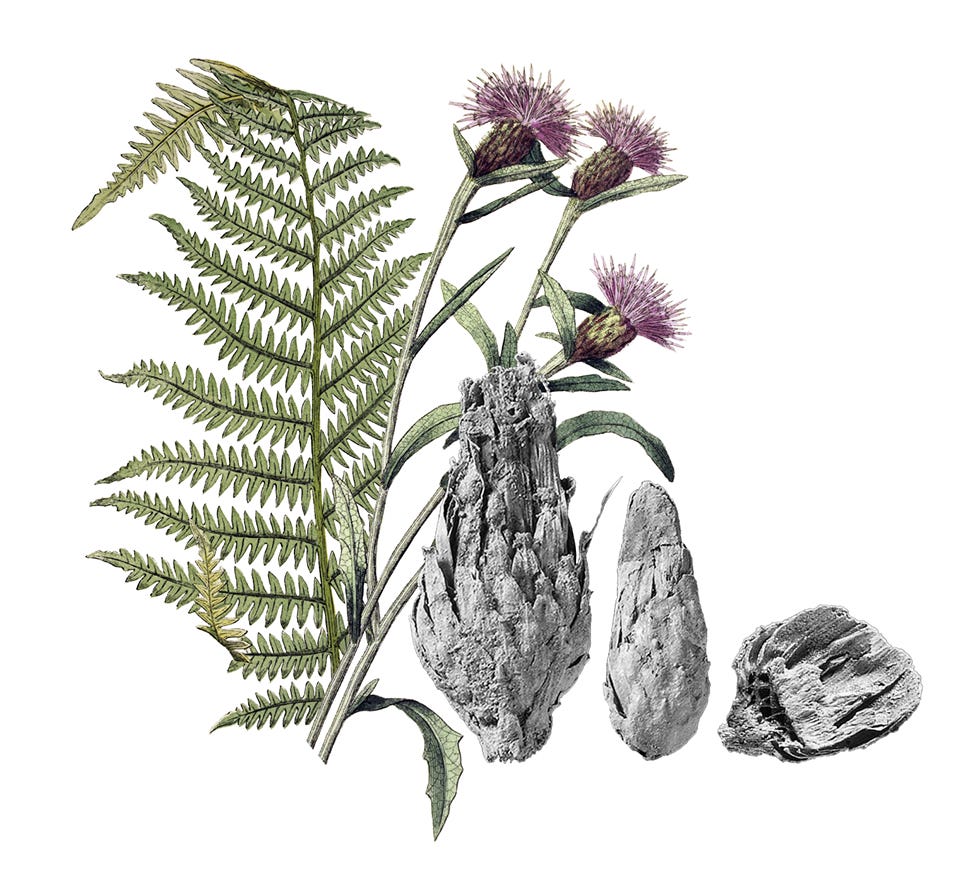
Archaeobotanical analysis suggests that this thoughtful burial occurred in the late summer during the Anglo-Saxon period, around 450 CE. Ultimately, the finders were allowed to keep the bronze bowls, which were declared to not be artifacts of great importance. The much rarer and more valuable bit - the preserved 1,500-year-old flowers found inside the pots - were donated to the nearby Wiltshire Museum.
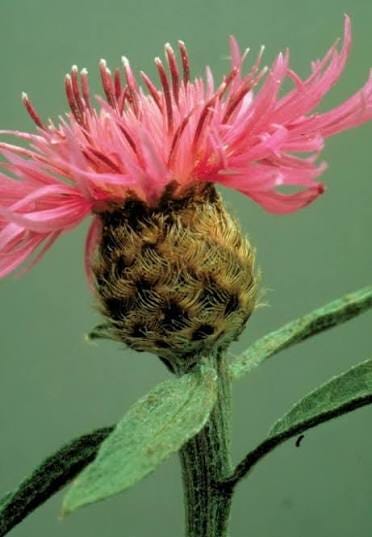
One type of centaurea, spotted knapweed, is believed to have arrived in the Americas accidentally in the late nineteenth century in alfalfa shipments sent to the Pacific Northwest as well as in soil ship ballast. It has become known as an invasive weed. In recent years, a dog named ‘Knapweed Nightmare’ became the first trained canine to detect invasive weeds like his namesake within natural landscapes.
The Princess
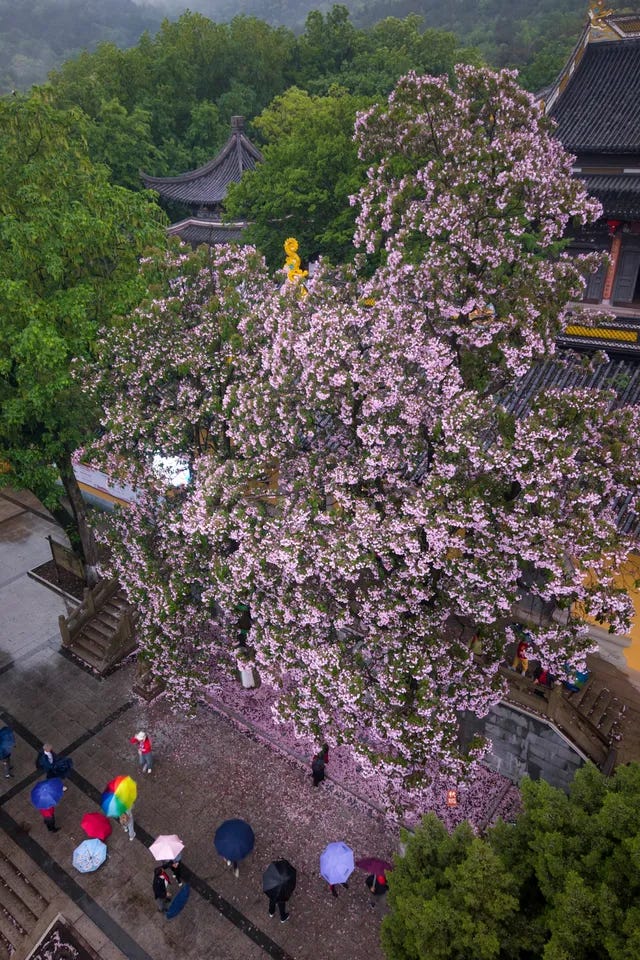
Paulownia tomentosa is commonly known as princess tree or empress tree. Native to eastern Asia, seeds of the pretty purple bloom also made its way to the Americas by hitching a ride in ship ballasts. Even more so, they arrived in crated cargo. The soft seeds were often used in the nineteenth century as packing material by Chinese exporters. Predating products like styrofoam peanuts, boxes of porcelain were filled with the botanical matter. Seeds slipped out of crate seams along the way. Occasionally the wooden boxes would bust open, distributing great quantities of seeds along the train tracks that span the eastern region of the U.S. and parts of Canada where the tree now grows. Simultaneously, interest in the flowering tree as an ornamental grew.
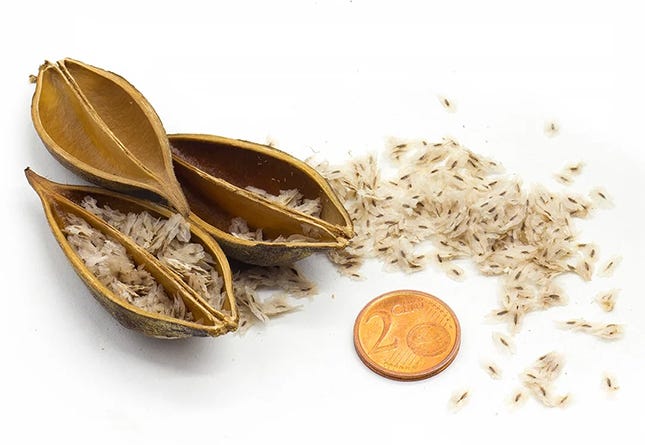
Although the tree is identified as an invasive plant in the U.S., the hardwood is considered valuable, and the Japanese buy American timber.
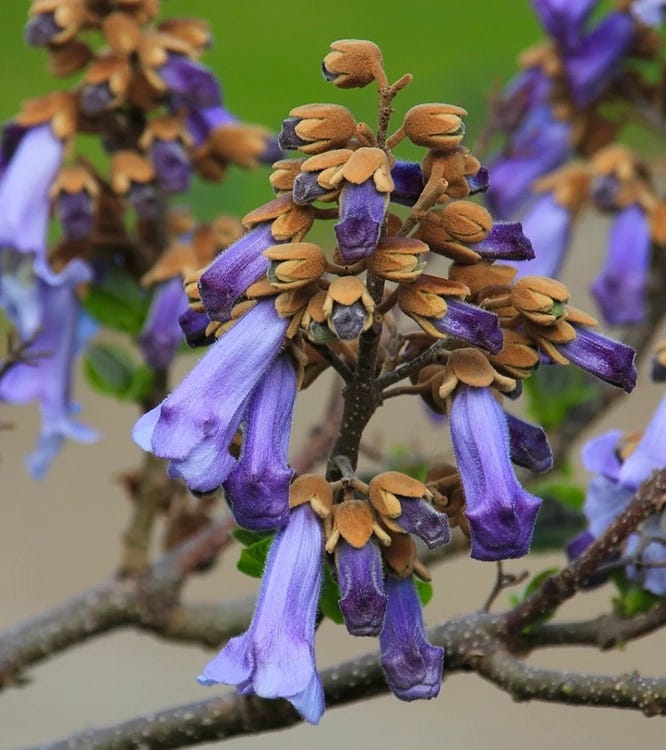
More on the Paulownia…
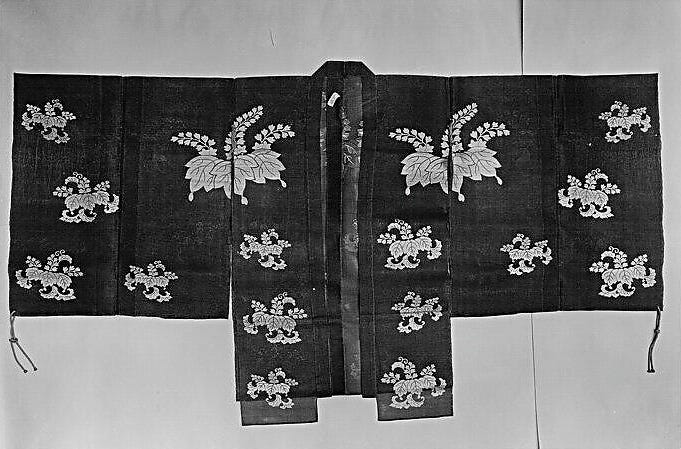
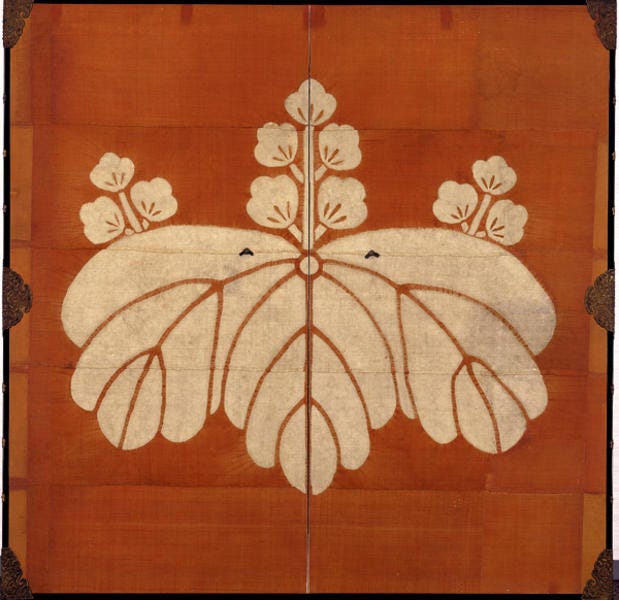
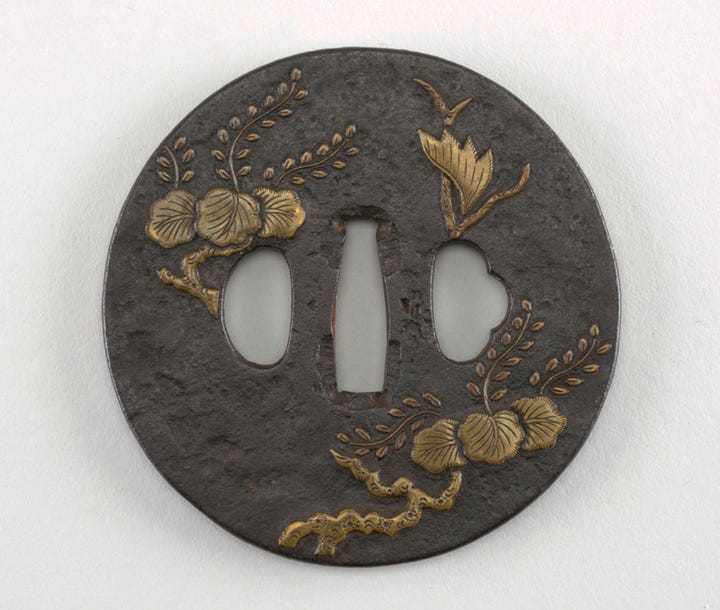
A stylized kiri (paulownia) is used as a national emblem in Japan. In the 1500s the flower was used as an Imperial crest. Now, the empress bloom represents the Japanese government, and it is the chrysanthemum that represents the Imperial family.
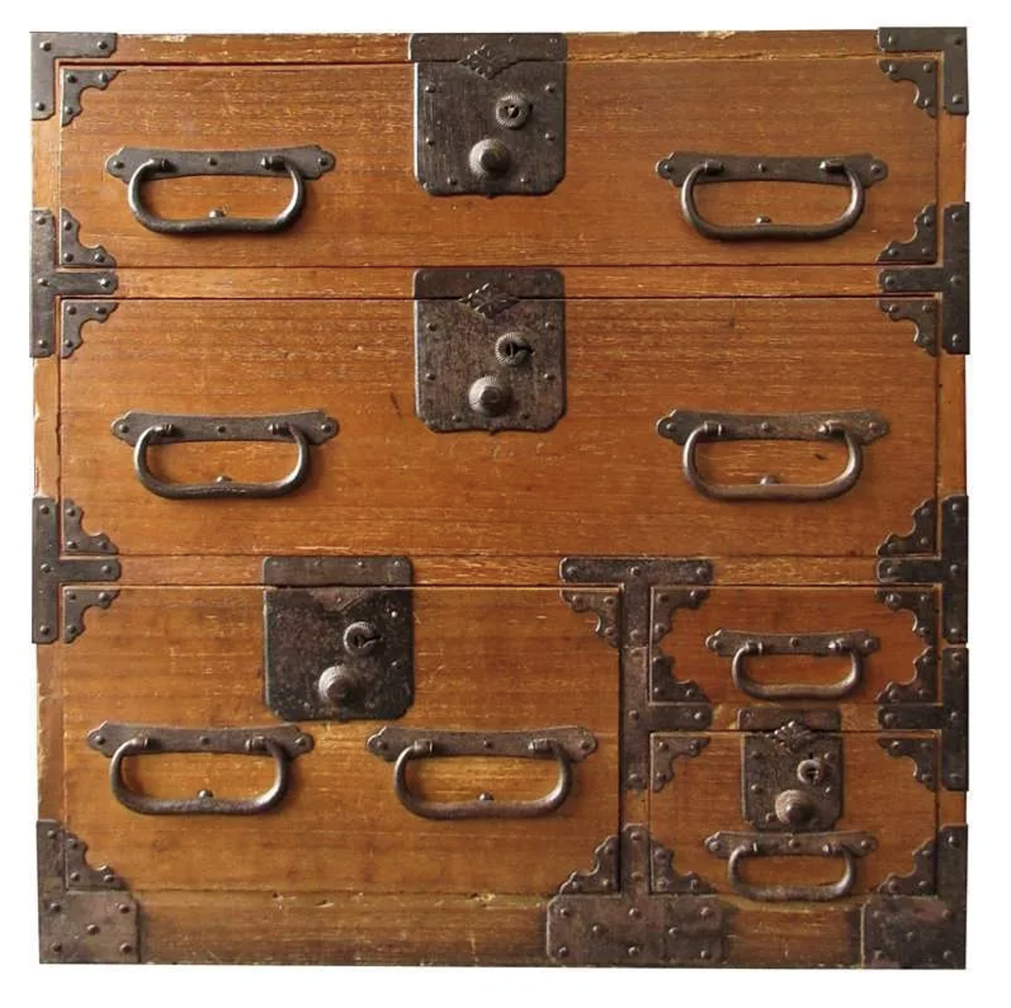
It is an old Japanese tradition to plant Empress tree seeds when a girl is born. When she is ready to get married, the tree is chopped down, and the wood is used to make a tansu dresser for the bride.